Journal
Stories Through Space
Reflections on clarity, transition, and the art of living with less, but better.
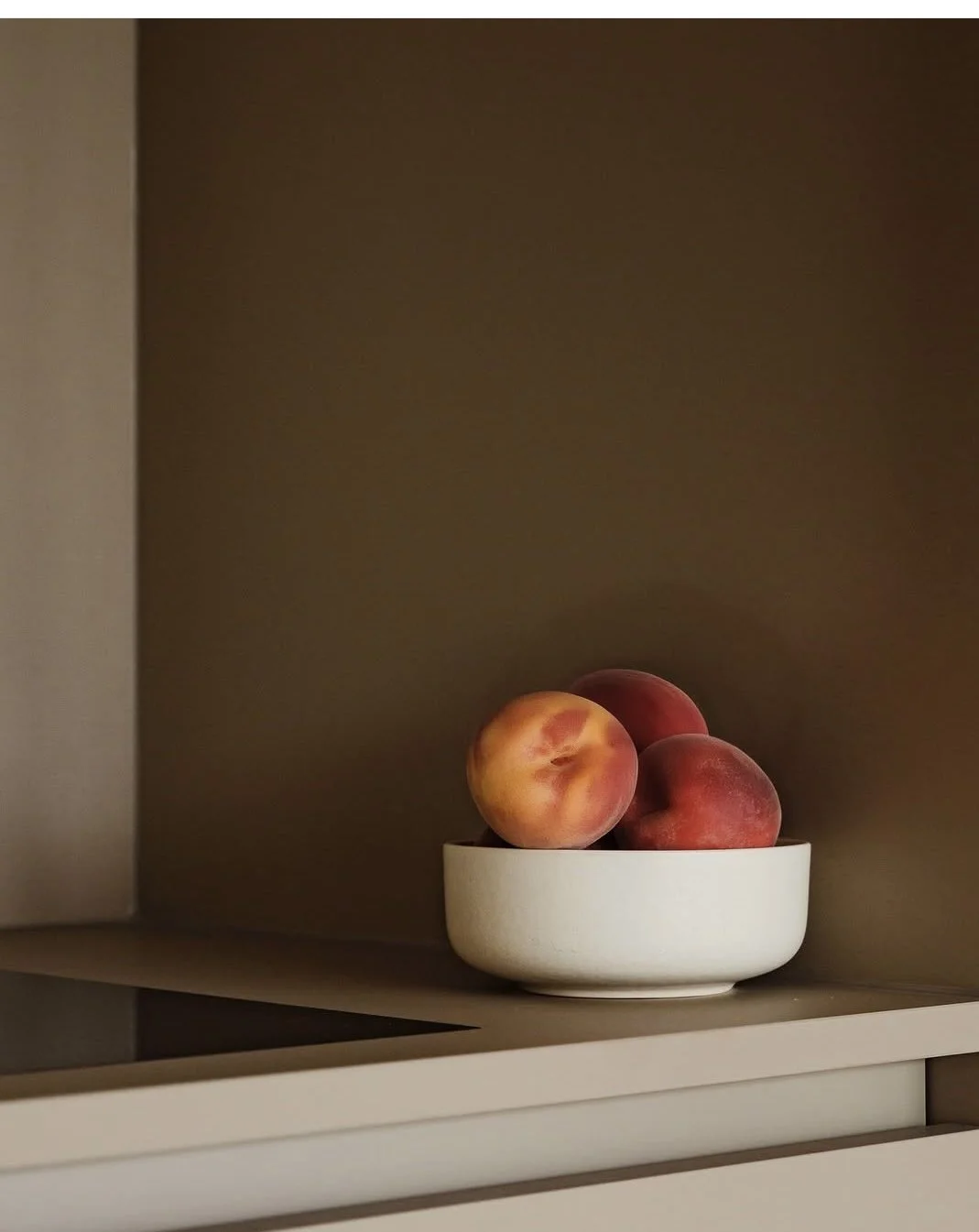
What Remains
What Remains
Every object occupies more than physical space.
It carries attention, memory, obligation, or repetition.
Over time, homes become archives of postponed decisions.
Drawers fill gradually.
Corners disappear.
Rooms lose function.
Most people adapt to excess slowly enough that they stop seeing it.
Editing a space requires honesty.
Not everything deserves permanence.
What remains should support how life is lived now — not who someone used to be.
A home becomes lighter when it is intentional.
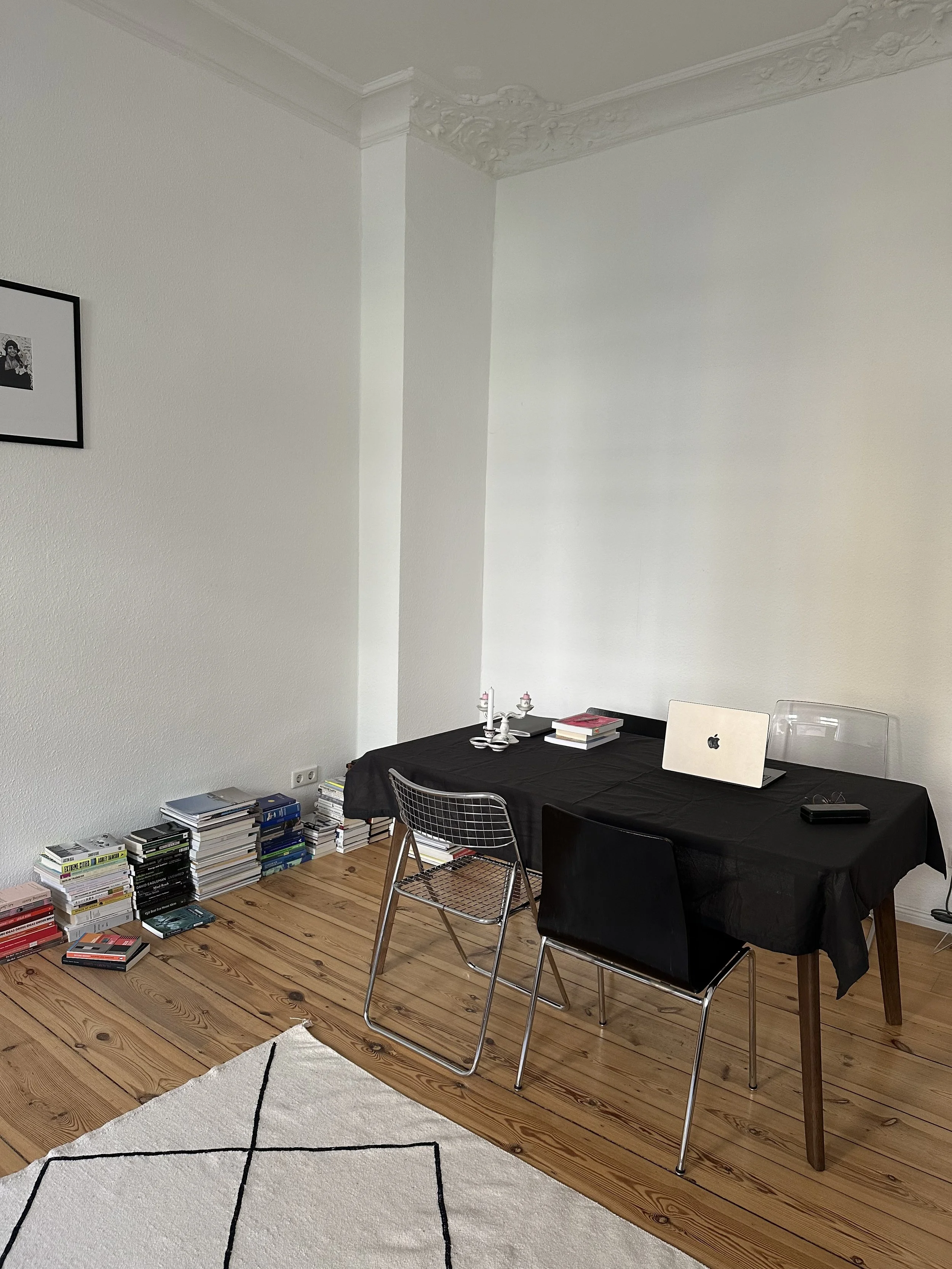
A Home Prepared for Moving
A Home Prepared for Moving
Moving is not only logistical.
It is spatial and psychological.
Every object must be reviewed.
What carries value is identified.
What no longer belongs is removed.
Homes hold routines, memory, unfinished decisions, and accumulated weight.
Without structure, transitions become overwhelming.
CIRCULARE manages this process deliberately:
sorting, identifying, coordinating, clearing.
What remains is organized intentionally.
What leaves is handled consciously.
The goal is not perfection.
The goal is readiness.
A home should feel resolved before moving forward.
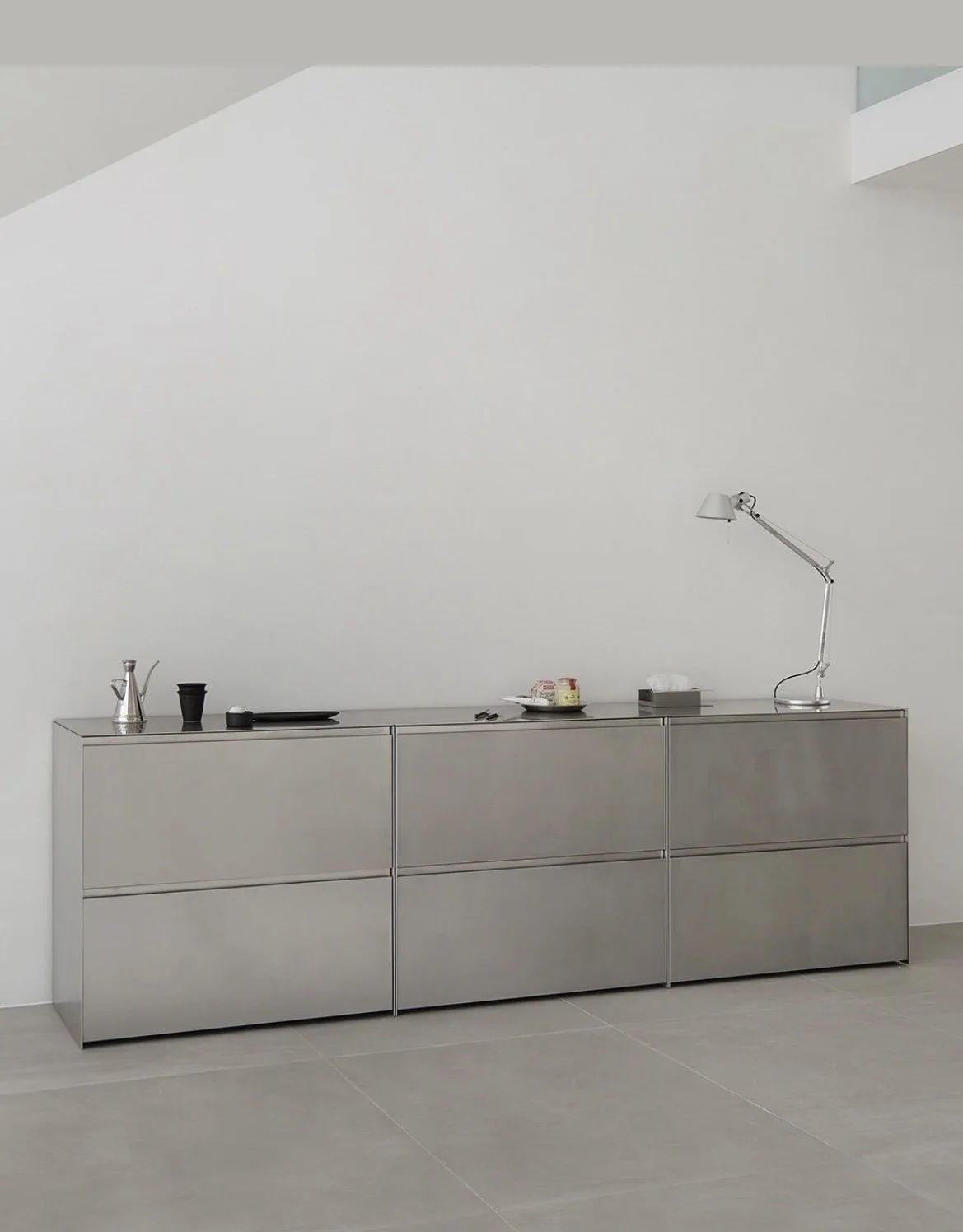
Reduction Before Design
Reduction Before Design
Before a space can function clearly, it must first be reduced.
Most homes evolve through accumulation rather than intention.
Objects remain long after their purpose disappears.
Storage expands to contain excess.
Movement becomes interrupted.
Reduction is not about minimalism.
It is about precision.
When unnecessary objects are removed, the structure of a home becomes visible again.
Flow returns.
Light changes.
Attention sharpens.
Only then can a space be reorganized intentionally.
Design should never begin with addition.
It begins with clarity.
What remains should justify its presence.